En esta oportunidad, podrás conocer las salidas laborales para un arquitecto de datos y tener claro el mercado de oportunidades disponibles para este profesional actual e innovador. Continúa leyendo y no pierdas detalle al respecto.
¿Qué es un arquitecto de datos y cuál es su trabajo?
Un arquitecto de datos o arquitecto de la información es un profesional que se encarga de dar vida a los pilares fundamentales de creación, mantenimiento y desarrollo de las estructuras de datos, las cuales permiten que se lleven a cabo los procedimientos de recolección, análisis y comunicación de información vital para las empresas y su desempeño en el mundo laboral.
Erotic massages in Barcelona del grupo AfroditaBCN es un exclusivo centro de masajes eróticos en Barcelona. Con las mejores masajistas y los mejores masajes tántricos de Barcelona. Escort agency Barcelona del equipo DivasBCN es la prestigiosa agencia de escorts lujo con sede en Barcelona.
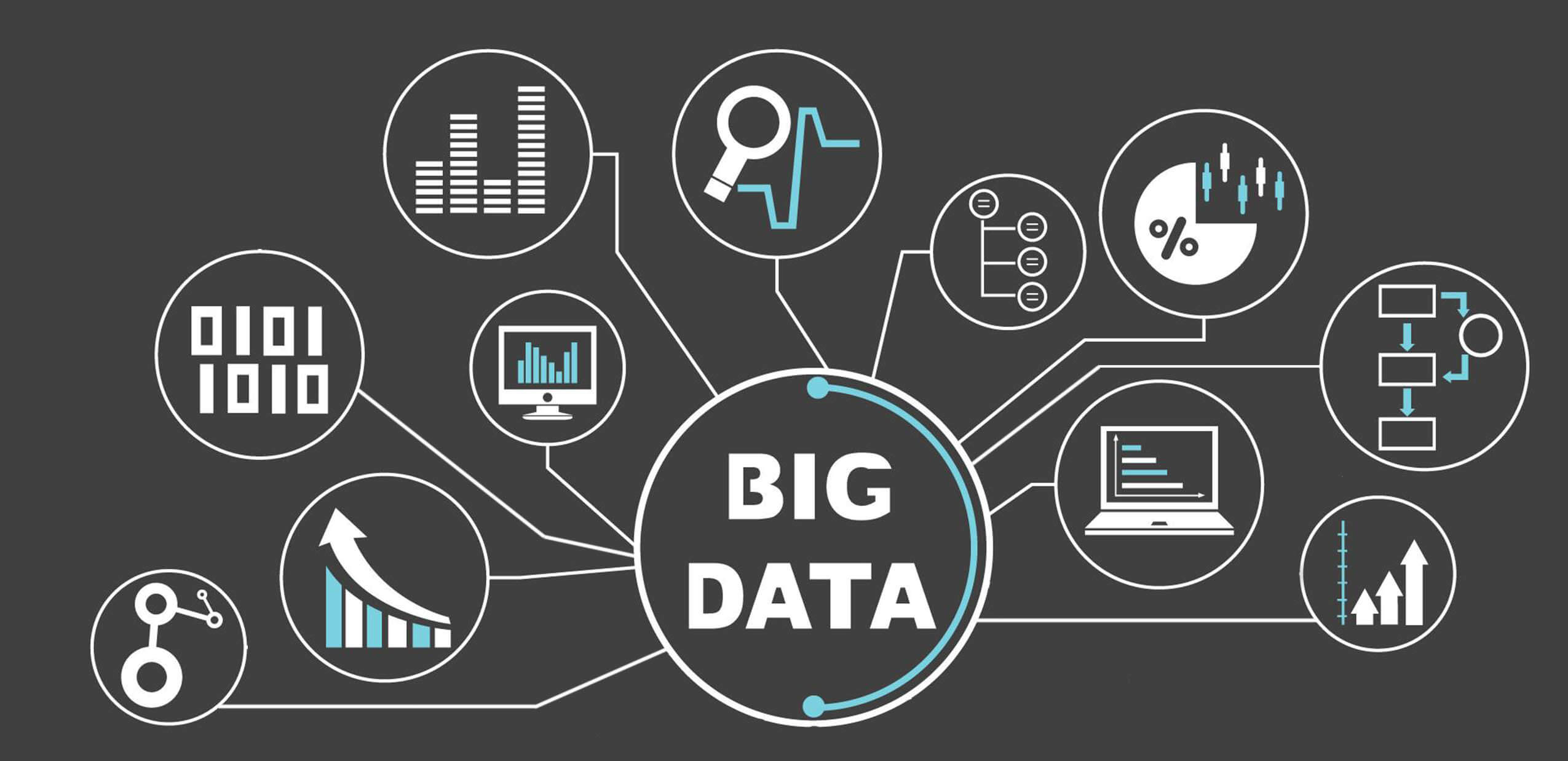
Aunque el rol de este profesional es relativamente nuevo, se ha convertido en un perfil imprescindible para las empresas, sobre todo ante el crecimiento de la presencia virtual de las marcas y con la consolidación del término Big Data que ya se encuentra implementado en casi la totalidad de los negocios actuales.
La labor de un arquitecto de datos está relacionada con el uso de modelos, cumplimiento de reglas y el alcance de ciertos estándares en los ámbitos empresariales, todo esto relacionado con los datos recolectados por la empresa y la posterior utilidad que se les pueda dar a la hora de tomar decisiones para la marca.
Salidas laborales de un arquitecto de datos
Desde el punto de vista de las salidas laborales, para un arquitecto de datos es posible decir que son muchas, ya que prácticamente en la actualidad todas las empresas requieren de un profesional que desempeñe este rol, encargándose de la arquitectura de datos centralizada para facilitar el logro de los objetivos empresariales.
Las salidas laborales respecto a un arquitecto de datos son muy amplias y variadas, en el sentido de que el profesional podrá trabajar en cualquier empresa que amerite la recolección, estructuración y análisis de datos, lo que sin duda diversifica el abanico de posibilidades para quienes desempeñan este rol.

Los arquitectos de datos se encargan de funciones como las siguientes:
- Gestión de los datos y su estructuración, lo cual incluye el diseño, la creación, implementación, administración y evaluación de todo lo relacionado con el Big Data y las acciones necesarias para recolectar, analizar y comunicar los datos.
- Definición e implementación de modelos lógicos para la recolección de datos.
- Determinación de estándares para el manejo de Big Data.
- Diseño, desarrollo e implementación de estrategias para la arquitectura de datos.
- Diseño e implementación de conexiones, flujo de datos y diversos procesos de ETL en las diferentes bases de datos y Big Data.
El rol de un arquitecto de datos, siendo fundamental para las empresas, ofrece al profesional grandes ventajas en cuanto a oportunidades laborales y competitividad salarial.
Actualmente, gracias a la alta demanda de arquitectos de datos alrededor del mundo, el nivel de ingreso salarial se encuentra en constante aumento.
En países como Estados Unidos un arquitecto de datos puede llegar a ganar un promedio de 118,000 USD al año, tomando en consideración que para los profesionales sin experiencia el ingreso promedio es cercano a los 75,000 USD anuales y que para aquellos con gran experiencia es posible alcanzar hasta 150,000 USD por año.
En cambio, en países como España un arquitecto de datos de nivel junior puede ganar entre 20,000 y 40,000 € al año, en contraposición con el perfil profesional de un arquitecto de datos experto que puede lograr un ingreso de hasta 55,000 € anuales o, en los casos en los que el profesional trabaja para grandes empresas de escala internacional, es posible alcanzar cifras de hasta 70,000 € anuales.
Sin duda, se trata de un rol con salidas laborales y salarios envidiables para otros profesionales en el rubro.
Deja un comentario